
Boom or Bust? Hemp Beverages Are Entering the Big Leagues — Right as the Rules Could Change
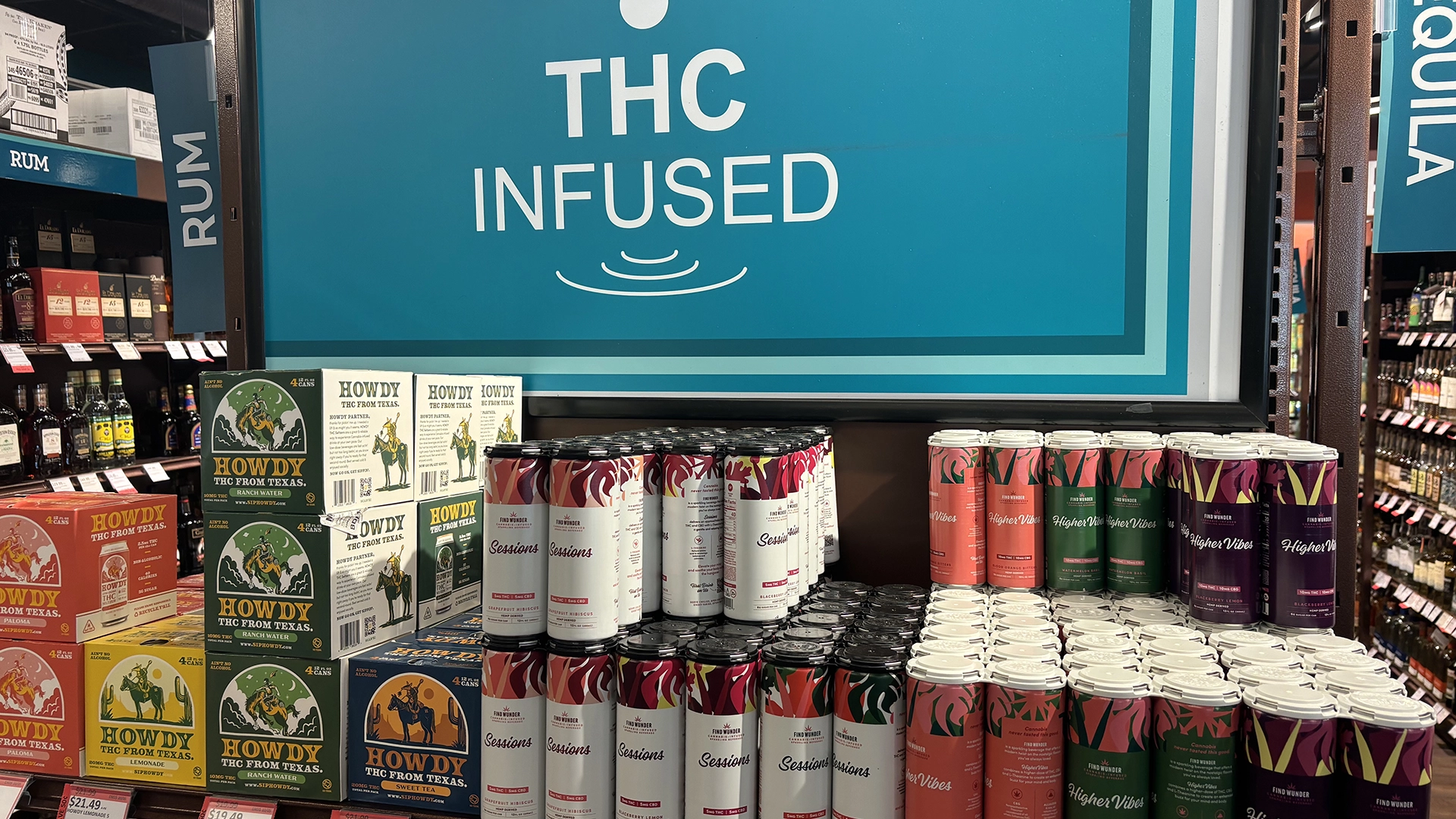
For years, hemp beverages lived on the fringes, sold online, tucked into smoke shops, or passed around as “the next big thing” at trade shows. Now they’re showing up somewhere much bigger: mainstream retail. Target is reportedly rolling intoxicating hemp beverages into more than 300 stores across Florida, Texas, and Illinois, joining a growing wave of major retailers testing the category’s commercial potential. From Total Wine & More to independent liquor stores to grocery chains to WalMart superstores, hemp-derived THC drinks are rapidly becoming one of the hottest bets in consumer packaged goods.
But there’s a catch. The regulatory environment remains wildly unstable. At the center of the uncertainty is a looming federal provision that could ban hemp products above 0.4% THC as early as November. That tension – explosive growth paired with existential uncertainty – is defining the hemp THC beverage category right now.
Marketing a Category That Might Change Overnight
A lot of emerging hemp brands are acting like the market has already stabilized. It hasn’t. The brands most likely to survive the next 12 months won’t be the ones with the best liquid, the coolest can design, or the loudest social presence – those are table stakes, not nice-to-have’s. They’ll be the ones building adaptable brands and flexible go-to-market systems. Because hemp beverages aren’t just a product challenge – they’re a distribution, messaging, and compliance challenge all happening simultaneously.
Anyone who has worked in alcohol marketing has seen this movie before. Different state regulations. Retail restrictions. Distribution bottlenecks. Sudden legislative pivots that can instantly reshape an entire market. The companies that endure are usually the ones that planned for multiple futures instead of betting everything on one.
That means hemp beverage brands need to think beyond launch hype and influencer campaigns. Can your positioning survive if dosage limits change? Can your packaging architecture adapt to different state requirements? Can your retail relationships withstand a reformulation or category reset? Can your brand story evolve if the language around THC changes again six months from now?
Those questions matter just as much as flavor innovation.
The Opportunity Is Still Massive — But Brands Need Discipline
None of this means the category is doomed. In fact, the opposite may be true.
Mainstream retailers testing hemp beverages is a huge signal that consumer demand is real. People are actively looking for alternatives to alcohol, and low-dose THC beverages sit at the intersection of wellness culture, social drinking, and functional products. That’s a powerful place to be. The brands that navigate this moment successfully could end up owning an entirely new beverage category.
But the companies that win will likely look less like startup disruptors and more like disciplined CPG operators. Smart retail strategy. Thoughtful compliance systems. Packaging designed for scale. Messaging that can flex across markets and regulatory climates. The next era of hemp beverages won’t just be about being edgy or early – it’ll be about building trust with consumers and retailers at the same time.
At Telegrafik, we’ve spent years helping brands navigate complex, highly regulated categories, and beverage is where much of that experience lives. From craft beer and fine spirits to RTD cocktails and cannabis-infused drinks, we’ve built brands across the full spectrum of adult beverage, in categories where culture, commerce, and regulation are constantly in tension. We understand what it takes to create brands that can adapt without losing their identity, because we’ve done it before, across formats, price points, and regulatory environments. From positioning and packaging to digital strategy and retail storytelling, we help companies build for the long game. And in a category like hemp beverages, that kind of adaptability may end up being the most valuable brand asset of all.