
For decades, wine operated from a position of unquestioned cultural authority. It was sophisticated, ritualistic, socially embedded. Entire economies were built around it. And then, quietly at first and now quite loudly, it started losing the room.
Wine’s decline isn’t cyclical. It’s structural. And the brands that recognize the difference early have an extraordinary opportunity to define what comes next.
The Category Is Losing Ground
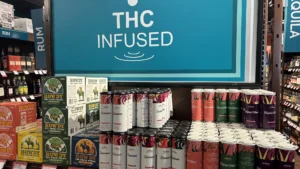
The numbers are hard to ignore. RTDs are surging. Non-alcoholic and functional beverages are exploding. Cannabis is entering the social ritual conversation. And younger consumers — the ones every beverage brand is chasing — are drinking less, drinking differently, and increasingly finding the flavor, sophistication, and ritual they want somewhere other than a bottle of wine.
This isn’t a rejection of aspiration. It’s a rejection of outdated category conventions.
Consumers Aren’t Drinking Less — They’re Thinking More
We’ve entered what you might call the era of mindful consumption. Consumers aren’t just choosing differently — they’re thinking differently. They want to socialize without feeling terrible the next day. They want products that fit their lifestyle rather than challenging it. They want to move fluidly between alcoholic and non-alcoholic occasions without making a statement either way.
Crucially, younger consumers no longer think in rigid beverage category silos. They’re not asking “am I a wine drinker?” They’re asking “what fits this moment, this mood, this lifestyle?” That’s a completely different consumption landscape — and it requires a completely different response from the category. They’re not looking for products. They’re looking for behavioral solutions.
Wine Is Well-Positioned. So Why Is It Struggling?
Here’s the uncomfortable part: wine is actually well-suited for this moment. It’s agricultural, authentic, connected to food and provenance and craftsmanship — precisely the values modern consumers say they care about. The category has the raw materials. What it lacks is the willingness to use them differently.
Instead, most wine innovation still looks the same: another varietal, another premium tier, another sustainability claim, another label refresh. These are renovations, not innovations. The industry keeps innovating around itself rather than around evolving human behavior.
The consumer isn’t waking up asking for a new appellation story or a slightly different blend architecture. They’re asking how to participate socially without overcommitting, how to balance wellness with enjoyment, how to find products that actually fit the way they live. Most wine brands are still answering a question nobody asked.
The brands that win the next decade won’t start with the liquid. They’ll start with the human — the occasion, the emotional utility, the physical experience, the lifestyle context. That’s a much bigger and more courageous brief than “what should our next blend be?”
The Real Threat Is Internal
Wine’s greatest competitive threat isn’t RTDs or cannabis. It’s institutional inertia. Categories that fail to evolve with consumers don’t decline dramatically — they just become culturally peripheral, slowly and then all at once.
Part of the problem is that innovation in wine is still largely treated as an R&D function rather
than a strategic capability. New products get developed. Labels get refreshed. But the deeper assumptions — about what wine should be, how it should be consumed, what consumers should value — often go unchallenged. In categories with strong historical identities, heritage can easily become a constraint disguised as an asset.
This is also why wine businesses increasingly need perspectives from outside the traditional industry. Not because the industry lacks intelligence, but because categories under pressure often struggle to challenge their own assumptions from within.
The Opportunity Is Still Enormous
The good news is that the opportunity is still real. Wine has global awareness, deep emotional equity, and a connection to food and human experience that no energy drink or hard seltzer can manufacture. The category doesn’t need to abandon its heritage. It needs to stop hiding behind it.
The next generation of successful wine brands will likely be the ones willing to combine the emotional richness of wine culture with the behavioral realities of contemporary, increasingly mindful consumers. That combination is powerful. But it requires courage — the kind that challenges category assumptions rather than just protecting them.
At Telegrafik, we work with brands navigating exactly this kind of inflection point — where cultural relevance, consumer behavior, and category assumptions are all shifting at once. The question we keep asking isn’t “how do we sell more wine?” It’s “how do we make wine matter to the next generation of consumers?” Those are very different briefs. And right now, the wine industry needs to start with the second one.